Rust Check for Cranes, Heavy Equipment & Construction Machinery in Canada
Rust is one of the most underestimated threats facing cranes, heavy equipment, and construction machinery in Canada. It doesn’t arrive suddenly, it doesn’t trigger alarms, and it rarely looks urgent at first. But once corrosion begins inside structural joints, frame members, and load-bearing components, it quietly undermines safety, reliability, and long-term value.
Canada’s climate is uniquely aggressive when it comes to corrosion. Road salt, freeze–thaw cycles, moisture intrusion, pressure washing, and prolonged outdoor exposure create ideal conditions for oxidation. For contractors, fleet managers, and operators across Ontario and the rest of the country, rust is not cosmetic damage-it is mechanical degradation.
This is where Rust Check, professional Rust Proofing, and proactive Rust Control become essential. This guide explains how Rust Check protects cranes and heavy machinery, why it performs differently from traditional coatings, and how proper Rust Protection prevents costly repairs, downtime, and premature equipment replacement.
Table of Contents
- Key Takeaways
- Why Rust Is a Critical Problem for Heavy Equipment in Canada
- Understanding Rust Formation in Heavy Equipment
- What Is Rust Check and Why It Works Differently
- Rust Proofing for Cranes: A Structural Priority
- Rust Control for Heavy Construction Equipment
- Financial Impact of Rust on Equipment Ownership
- Rust Check for Commercial Fleets and Contractors
- Application Process and Frequency
- Common Misconceptions About Rust Protection
- What Rust Check Does Not Do (And Why That’s Important to Know)
- Rust Check vs Undercoating, Wax, and Factory Corrosion Protection
- How Rust Protection Supports Inspections, Safety, and Compliance
- Warning Signs That Rust Protection Can’t Be Delayed
- Why Ontario Equipment Faces Higher Rust Risk Than Most Regions
- FAQs
- Conclusion
Key Takeaways (For Quick Readers)
- Rust is a structural and financial risk, not just surface damage
- Canadian weather accelerates corrosion faster than most climates
- Heavy equipment rust often starts in hidden, inaccessible areas
- Rust Check uses a penetrating, non-hardening corrosion inhibitor
- Proper rust proofing protects frames, joints, welds, and hydraulic mounts
- Annual rust control is far cheaper than structural repairs
- Rust Check improves safety compliance and resale value
Why Rust Is a Critical Problem for Heavy Equipment in Canada
The Canadian Corrosion Environment
Canada presents one of the most corrosive operating environments in the world for metal equipment. Heavy machinery is exposed to:
- Chloride-based road salts
- High humidity and condensation
- Freeze–thaw expansion in seams and joints
- Mud, slurry, and debris retention
- Constant pressure washing forcing moisture into crevices
In Ontario, corrosion risk is amplified by urban construction, winter road maintenance, and year-round equipment operation. This is why vehicle rust protection in Canada is not optional for commercial machinery.
Rust Is a Structural Integrity Issue
Unlike passenger vehicles, cranes and construction machinery rely on uncompromised metal strength. Rust reduces cross-sectional thickness, weakens welds, and compromises load-bearing capacity.
Unchecked corrosion can result in:
- Structural fatigue and stress fractures
- Reduced lifting capacity in cranes
- Increased inspection failures
- Higher risk of component separation or failure
At this stage, rust is no longer a maintenance issue-it becomes a safety liability.
Understanding Rust Formation in Heavy Equipment
How Corrosion Actually Starts
Rust forms when iron reacts with oxygen and moisture. What most operators don’t realize is that corrosion typically begins:
- Inside boxed frames
- Between overlapping steel plates
- Around fasteners and bolted joints
- Under protective covers and shields
These areas trap moisture and salt, making them invisible corrosion zones.
Why Visual Inspections Miss Early Rust
Surface inspections often miss early-stage corrosion because:
- Rust begins internally
- Paint may remain intact while metal underneath degrades
- Equipment design hides vulnerable areas
This is why preventive rust control is more effective than reactive repairs.
What Is Rust Check and Why It Works Differently
The Science Behind Rust Check
Rust Check is a creeping, penetrating corrosion inhibitor, not a hard coating. Its formulation is designed to:
- Penetrate seams, joints, and micro-gaps
- Displace moisture through capillary action
- Prevent oxygen from sustaining oxidation
- Remain active and flexible over time
Unlike wax or rubberized undercoatings, Rust Check does not seal moisture in. It actively migrates to vulnerable areas long after application.
Why Non-Hardening Protection Matters
Heavy equipment experiences:
- Constant vibration
- Structural flexing
- Load-induced movement
Hard coatings crack under these conditions. Once cracked, they trap moisture and accelerate corrosion. Rust Check’s non-hardening behavior ensures continuous rust protection without structural interference.
Rust Proofing for Cranes: A Structural Priority
High-Risk Corrosion Zones in Cranes
Cranes face concentrated corrosion risk in:
- Boom sections and telescoping joints
- Load-bearing weld seams
- Pin and bushing interfaces
- Outrigger assemblies
- Base frames and turntables
Corrosion in these areas can directly impact lifting safety and certification compliance.
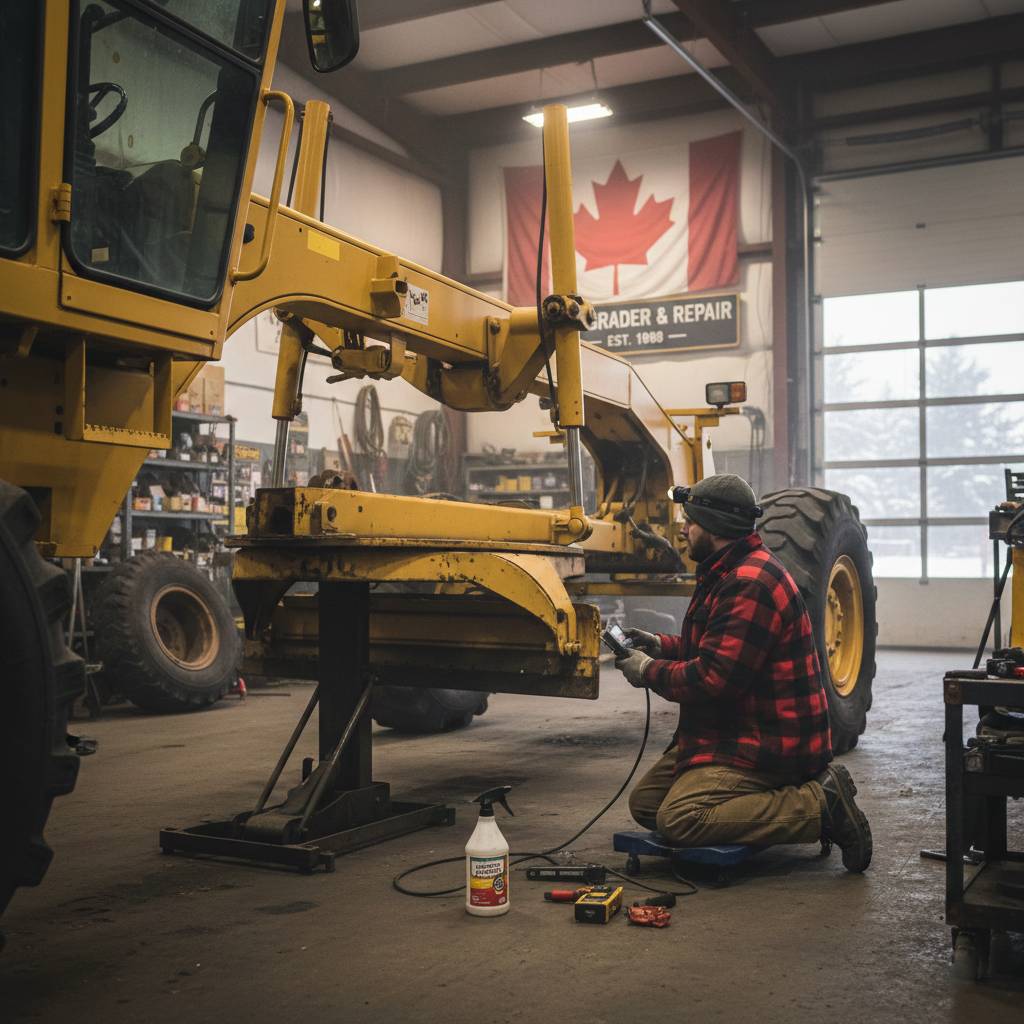
How Rust Check Protects Crane Components
Rust Check penetrates into:
This helps maintain structural integrity without affecting mechanical tolerances or operational performance.
Rust Control for Heavy Construction Equipment
Equipment Most Vulnerable to Corrosion
Certain machinery is particularly prone to rust damage:
- Excavators and backhoes
- Wheel loaders and bulldozers
- Graders and compactors
- Drilling and piling equipment
These machines frequently operate in wet soil, slurry, and high-contaminant environments.
Rust Control as Preventive Maintenance
Rust Check transforms rust control into a predictable maintenance strategy rather than an emergency repair issue. By slowing oxidation, operators gain:
Financial Impact of Rust on Equipment Ownership
Hidden Costs of Corrosion
Rust increases costs through:
- Premature component replacement
- Welding and reinforcement work
- Inspection delays and re-certification
- Lower resale or trade-in value
Even minor structural rust can reduce resale value significantly.
Rust Proofing vs Repair Economics
Annual rust proofing costs are minimal compared to:
- Frame repairs
- Structural reinforcement
- Hydraulic mounting failures
- Early equipment retirement
This is why many Canadian contractors now treat Rust Check as essential fleet maintenance.
You can book your rust protection appointment today or call us directly. And if you’re asking, “Where can I find a Rust Check dealer near me?” - just check our RustCheck dealer list to find the closest service center in your area
Rust Check for Commercial Fleets and Contractors
Fleet-Wide Rust Protection Strategy
Fleet operators face compounded corrosion exposure. Rust Check enables:
- Standardized rust protection across equipment types
- Predictable maintenance scheduling
- Reduced long-term capital expenditures
Consistency Across Equipment Classes
Rust Check is suitable for:
- Cranes and lifting equipment
- Construction machinery
- Service vehicles and trailers
- Support trucks and attachments
This makes it a scalable solution for mixed fleets operating across Ontario and Canada.
Application Process and Frequency
How Rust Check Is Applied
Professional Rust Check application includes:
- Targeted access to high-risk corrosion zones
- Controlled product distribution
- Coverage of seams, joints, frames, and underbodies
The process is non-invasive and does not require disassembly.
How Often Rust Protection Is Needed
For most Canadian conditions:
Regular treatment ensures uninterrupted rust control.
Common Misconceptions About Rust Protection
“New Equipment Doesn’t Need Rust Proofing”
Modern equipment often rusts faster due to:
- Thinner steel tolerances
- Increased use of boxed frames
- Incomplete factory corrosion protection
Early rust proofing offers the highest return on investment.
While corrosion cannot be eliminated entirely, its progression can be dramatically slowed, preserving structural integrity for years.
What Rust Check Does Not Do (And Why That’s Important to Know)
Rust Check is a highly effective rust control and corrosion-prevention system, but it is not a structural repair solution-and understanding this distinction is critical. Rust Check does not rebuild metal that has already lost its structural integrity, nor does it replace welding, reinforcement, or component replacement where severe corrosion has already occurred.
What Rust Check does instead is halt the progression of corrosion by displacing moisture and blocking oxygen at the molecular level. This makes it a preventive and containment solution, not a cosmetic cover-up or a “one-time fix.” It also means Rust Check is most effective when applied before corrosion becomes advanced, or as soon as early-stage rust is detected. This transparency builds trust and helps operators make informed maintenance decisions rather than relying on unrealistic expectations.
Rust Check vs Undercoating, Wax, and Factory Corrosion Protection
Many operators assume all rust protection systems work the same way, but the differences are substantial-especially for cranes and heavy construction machinery. Traditional rubberized undercoatings and wax-based products form a surface barrier that can crack under vibration, flexing, and load stress. Once compromised, these coatings often trap moisture against the metal, accelerating corrosion rather than preventing it.
Factory corrosion protection, while useful, is typically designed for general conditions-not Canada’s extreme climate or heavy-equipment use. It rarely penetrates enclosed frames, weld seams, or overlapping steel sections.
Rust Check works differently. Its creeping, penetrating formulation actively migrates into seams, joints, and inaccessible corrosion-prone areas. Because it does not harden, it remains flexible and continues protecting metal even as equipment moves, vibrates, and flexes. This makes Rust Check a far more reliable long-term rust protection strategy for Canadian construction environments.
How Rust Protection Supports Inspections, Safety, and Compliance
Rust-related issues are a leading cause of inspection failures in heavy equipment and crane operations. Corrosion near welds, mounting points, or load-bearing components can raise immediate red flags during safety audits and certification checks.
Rust Check supports inspections by preserving visibility and accessibility. Unlike thick coatings that obscure welds or trap debris, Rust Check leaves critical components visible, allowing inspectors to assess structural integrity accurately. By slowing corrosion in high-risk areas, rust protection also reduces the likelihood of stress fractures, metal thinning, and compromised load ratings.
From a compliance standpoint, proactive rust control helps operators meet safety standards consistently, avoid unexpected downtime, and demonstrate responsible asset management-especially important for commercial fleets, municipal equipment, and regulated lifting machinery.
- Rust Check for Fleets: Why Businesses Trust It for Trucks & Vans
- The Ultimate Guide to Rust Check Bed Liner & Undercoating Aerosols
- Rust Check vs. Other Rust Control Brands in Canada
- Rust Check vs. Krown: Which Rustproofing Works Best in Ontario?
Warning Signs That Rust Protection Can’t Be Delayed
Rust rarely becomes a problem overnight, but certain warning signs indicate corrosion is already advancing beyond the surface. These include rust bleed emerging from seams or weld lines, flaking metal around mounting brackets, recurring fastener seizure, and visible oxidation near hydraulic mounts or pivot points.
Other red flags include increased difficulty during inspections, frequent repainting of the same areas, or unexplained weakening of structural components. These symptoms suggest moisture and corrosion are already active beneath the surface.
When these signs appear, delaying rust protection often leads to accelerated damage and significantly higher repair costs. Early intervention with professional rust control can stabilize affected areas and prevent corrosion from spreading into load-bearing structures.
Why Ontario Equipment Faces Higher Rust Risk Than Most Regions
Ontario presents a uniquely aggressive corrosion environment for heavy equipment. The province uses some of the highest volumes of road salt in Canada, and equipment often operates year-round in urban construction zones where salt, slush, and moisture are unavoidable.
Frequent freeze–thaw cycles force moisture deep into seams and joints, while pressure washing after winter operations drives water further into enclosed metal sections. Combined with high humidity during warmer months, these conditions create an ideal environment for oxidation.
As a result, equipment operating in Ontario experiences faster corrosion progression than in many other regions. This makes regular rust proofing and ongoing rust control not just recommended, but essential for maintaining structural integrity, safety compliance, and long-term equipment value.
If your equipment operates in Ontario, waiting is not a neutral choice-it accelerates corrosion risk.
FAQs: Rust Check for Heavy Equipment & Cranes
- Is Rust Check safe for hydraulic and electrical systems?
Yes. Rust Check is safe for metal, electrical connectors, and hydraulic mounts when applied professionally.
- Can Rust Check stop existing corrosion?
It cannot reverse severe rust, but it halts progression and prevents further oxidation.
- Will Rust Check interfere with inspections?
No. It does not obscure welds or structural elements, making inspections easier.
- Is rust proofing worth it for older machinery?
Yes. Rust control extends service life and improves resale potential.
- Does Rust Check wash off?
No. Its formulation resists wash-off while remaining active.
- Is Rust Check effective in winter?
Yes. It performs exceptionally well in winter conditions.
Authorized Rust Check dealers operate across Ontario and Canada.
Conclusion: Protect the Equipment That Protects Your Business
Rust does not wait for failure warnings. By the time corrosion becomes visible, damage has often already occurred beneath the surface. For cranes, heavy equipment, and construction machinery in Canada, Rust Check, professional Rust Proofing, effective Rust Control, and long-term Rust Protection are among the most cost-effective investments you can make.
If your equipment operates in Ontario or anywhere in Canada’s demanding climate, proactive rust protection is not optional-it is essential.
Why Drivers Across Canada Choose RustCheck.ca – Proven Rust Protection for Every Season
For more than 50 years, RustCheck.ca has supported Canadian drivers in defending their vehicles against rust, salt, and the challenges of harsh winter roads. From everyday cars to large fleets, our rustproofing and rust control solutions are designed to extend vehicle life, maintain resale value, and offer lasting peace of mind.
Our Services Include:
- Body Panel Rust Check Protection – Canada’s trusted liquid rust inhibitor since 1973.
- Undercarriage Coat & Protect Treatment – A premium corrosion shield that provides durable protection.
- Two-Step Rust Check Application – Customized treatments for different areas of your vehicle.
- Fleet, Truck & Trailer Programs – Cost-effective rust control tailored for businesses and government vehicles.
- New Vehicle Rust Protection – Prevent rust from forming right from the start.
- Specialty Vehicle Coverage – Solutions for ambulances, cranes, and other commercial equipment.
- Seasonal Care Resources – Expert advice, blogs, and videos to help you keep rust under control year-round.
With a nationwide dealer network, finding a Rust Check location in Canada is simple. Explore our dealer directory to schedule a visit and keep your vehicle protected wherever you travel.
Whether it’s safeguarding your daily commute, ensuring reliability for a work fleet, or protecting the value of a new purchase, RustCheck.ca provides the experience, innovation, and reach to help you stay one step ahead of rust.