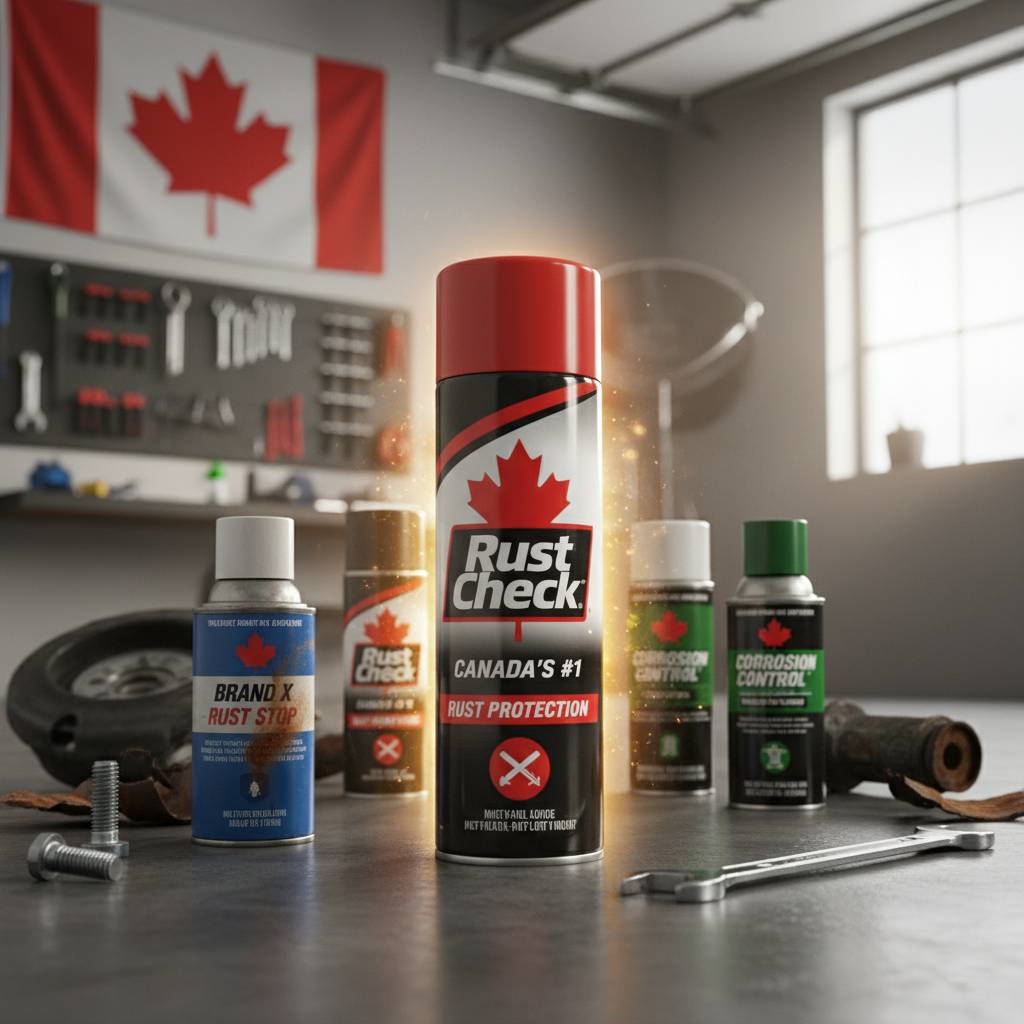
Rust is one of those things most Canadian drivers don’t think about until it becomes expensive. Between Ontario’s salty winter roads, slush, gravel chips, and constant freeze-thaw cycles, rust can show up faster than you expect. Once it starts, it spreads quietly under the paint, along the frame, and through essential components.
That’s why anti-rust products and rust protection treatments are so popular across the country. But with so many brands oil sprays, dripless formulas, hybrid lubricants, and dealership packages- it’s hard to know which rust control treatment actually works and which one is more marketing than science.
If you’ve lived through a Canadian winter, you know the toll it can take on your car. Road salt, snow, ice, and constant moisture create the perfect storm for rust to thrive. Whether you drive a brand-new vehicle or a seasoned car, rust protection is something you simply can’t ignore.
So, how long does rust proofing actually last? How can you ensure your car stays rust-free for years to come? Let’s dive into the specifics and help you get a clear understanding of how rust proofing, rust checking, and regular maintenance can protect your car and keep it looking like new.
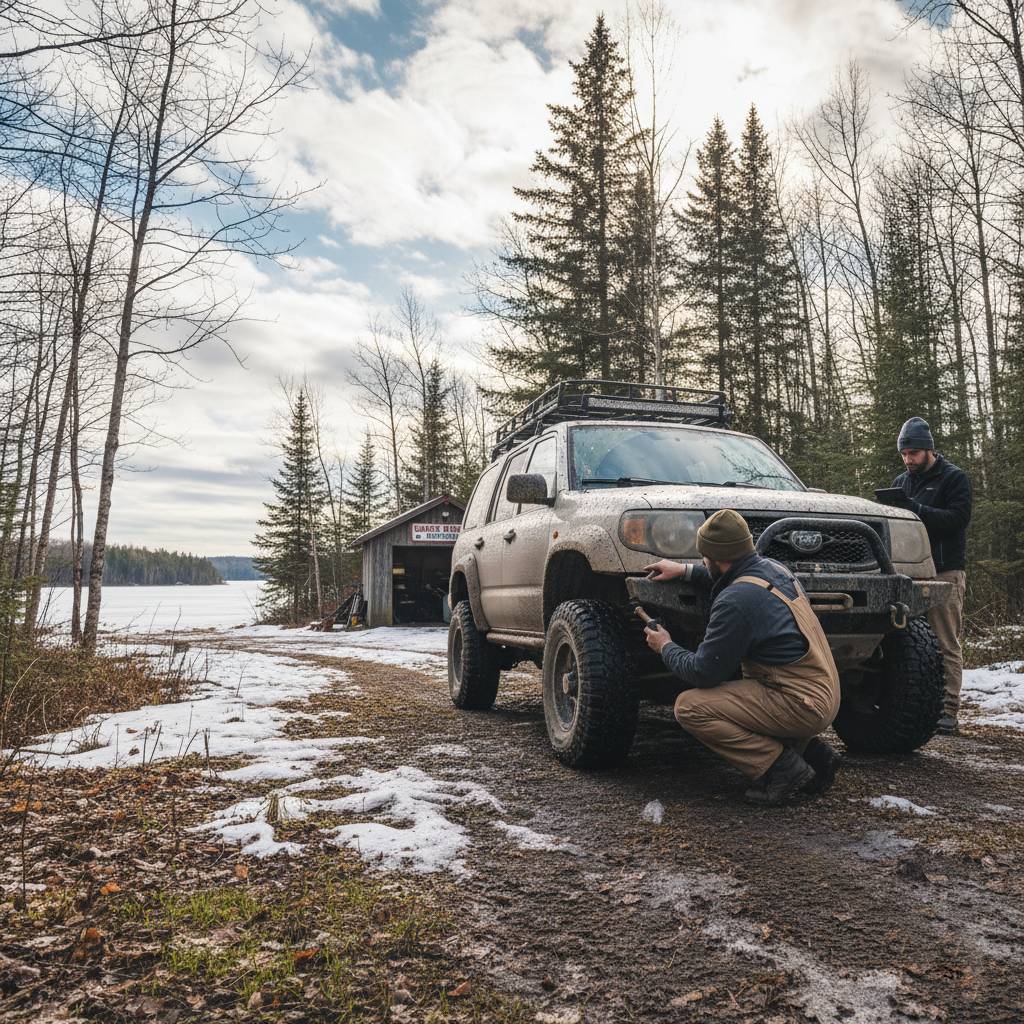
As a Canadian driver, you’re no stranger to the harsh winter conditions that can wreak havoc on your vehicle’s body and frame. Whether you’re navigating through snow, slush, or salt-covered roads, your car is constantly exposed to elements that can cause rust and corrosion. That’s why rust protection, rust proofing, and regular inspections are essential to extend the life of your vehicle and keep it in top shape. But when is the best time of year to get your car rust-proofed or inspected in Canada? Let’s dive in and explore this important question.
When the Canadian winter rolls in, with all its salt, snow, and road grime, your car takes quite a beating. Rust can sneak up on your vehicle, gradually eating away at the metal and costing you hefty repair bills in the long run. So, how can you prevent rust from taking over? Well, you’ve probably come across two options: professional rustproofing treatments like Rust Check and DIY rust kits. But which one is really the best option for you?
In this post, we’ll take a close look at Rust Check vs. DIY Rust Kits to help you decide if you should try it at home or if professional rust protection is the better way to go. We'll explore how both methods work, the pros and cons of each, and what’s best for your vehicle in Canada. After all, your car’s lifespan depends on protecting it from the elements, especially here in Ontario, where rust can be a real concern.
If you’ve ever watched salt-covered roads in Ontario eat away at your car’s underbody or spotted a bubble of rust under your paint-you already know why rust protection isn’t optional in Canada. Between long winters, wet springs, and salty highways, our vehicles face some of the harshest corrosion conditions in the world.
But when it comes to defending your car, there’s confusion:
Should you go with Rust Check or a traditional undercoating?
Both promise to stop rust in its tracks-but they work in very different ways. This guide will walk you through how each system works, which one suits your vehicle, and how to make the right decision for anti-rust, rust control, and long-term rust protection.
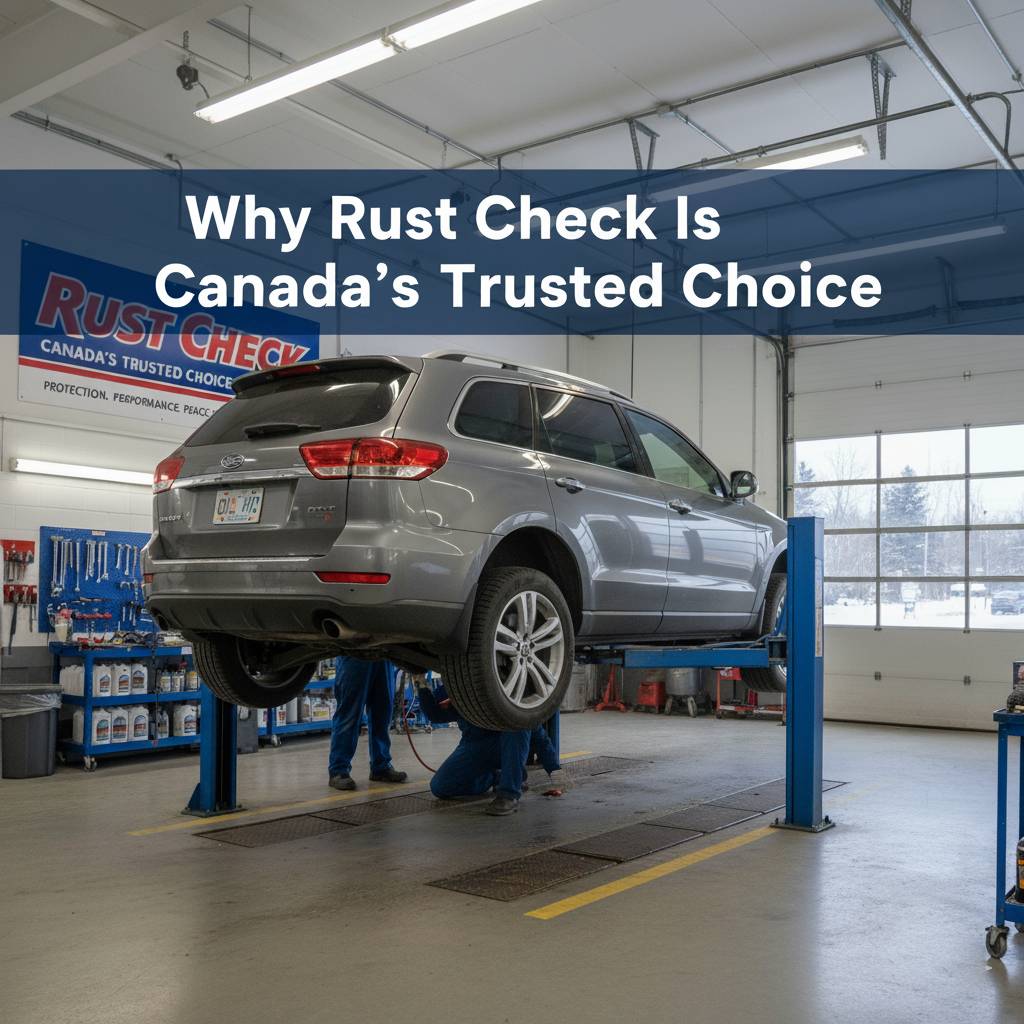
If you’ve ever Googled “rust proofing near me Ontario” while bracing for another salty Canadian winter, you already know how tough our climate can be on vehicles. Between icy roads, endless slush, and salt that eats away at metal, rust protection isn’t a luxury - it’s a necessity.
For over four decades, Rust Check has been the name Canadians trust when it comes to rust control and rust protection that actually lasts. From Toronto to Thunder Bay and all the way to Halifax, their process has earned a reputation for keeping vehicles on the road longer - and looking newer while doing it.
Whether you drive a family SUV, a work truck, or a compact commuter, here’s why Rust Check continues to be the gold standard for rust proofing in Canada.